
Introduction
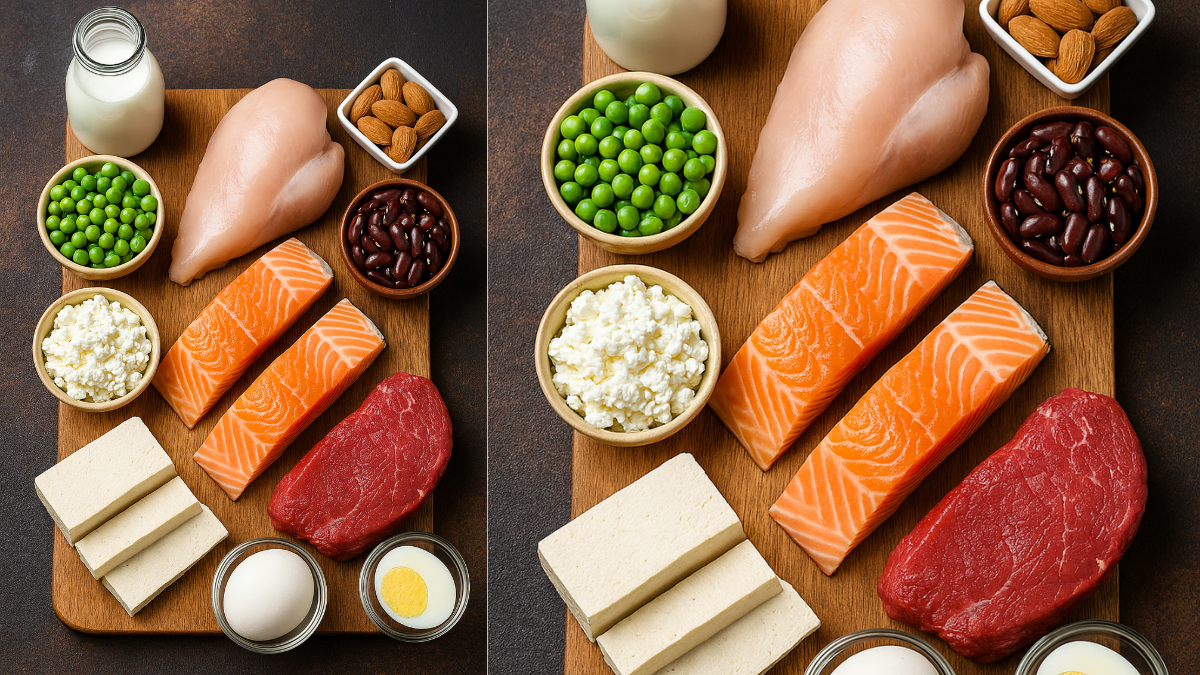
Protein consumption has become a fundamental part of modern nutrition, especially for those who exercise regularly or follow high-protein diets to lose weight or build muscle. While protein is essential for overall health, excessive protein intake can lead to serious health issues—most notably kidney damage and negative effects on the skin.
In this article, we provide a comprehensive and detailed overview, integrating relevant keywords naturally and following Google’s SEO standards.
First: The Dangers of Excessive Protein Intake on the Kidneys
The kidneys experience significant stress when protein consumption becomes excessive, as they are responsible for eliminating the byproducts of protein breakdown. Key kidney-related risks of high protein intake include:
1. Increased Pressure on the Kidneys
Consuming large amounts of protein raises nitrogenous waste levels produced during amino acid breakdown. This forces the kidneys to work harder to filter and remove these wastes, which may gradually lead to reduced kidney function.
2. Higher Risk of Kidney Stones
High-protein diets increase calcium levels in urine, which raises the risk of kidney stone formation, particularly in individuals already prone to the condition.
3. Dehydration
As protein intake increases, the body’s need for water rises because the kidneys require more fluids to flush out protein waste. Inadequate water intake combined with excessive protein can cause dehydration, worsening kidney problems.
4. Worsening Kidney Diseases
For individuals with existing kidney issues—even mild ones—a high-protein diet can accelerate deterioration. For this reason, doctors generally recommend reducing protein intake for people with kidney impairment.
Second: The Dangers of Excessive Protein Intake on the Skin
Some believe that protein only benefits the skin because it supports collagen production. However, consuming too much protein—especially animal protein—can cause several unwanted skin issues.
1. Acne Breakouts
High-protein diets, particularly those containing whey protein, can increase hormone levels that stimulate oil production. This can clog pores and trigger acne breakouts.
2. Skin Dryness
When the body works harder to eliminate excess protein, its need for fluids increases. If water intake is insufficient, dehydration can occur, leading to dry, rough skin.
3. Loss of Skin Radiance
High protein intake is often accompanied by a reduced intake of fruits and vegetables rich in vitamins and antioxidants. This imbalance negatively affects skin brightness and contributes to premature signs of fatigue.
4. Skin Inflammation
An unbalanced diet—especially one relying solely on animal protein—can increase inflammation in the body, which in turn leads to skin redness and irritation.
Recommended Daily Protein Intake
To avoid the dangers of excessive protein intake on the kidneys and skin, it is essential to follow recommended amounts:
- Average adult: 0.8 g per kilogram of body weight
- Athletes: 1.2–1.7 g per kilogram
- Intense muscle building: up to 2 g per kilogram under professional supervision
Tips for Consuming Protein Safely
- Drink sufficient water daily
- Diversify protein sources (animal + plant-based)
- Avoid excessive use of protein supplements such as whey protein
- Consume fruits and vegetables to support skin health
- Monitor kidney function if following a high-protein diet for long periods
Conclusion
While protein is crucial for muscle building and overall health, excessive protein intake may cause serious kidney issues and visible skin problems. Maintaining balance by consuming the right amount and following a healthy, well-structured diet is essential for long-term wellbeing.


