
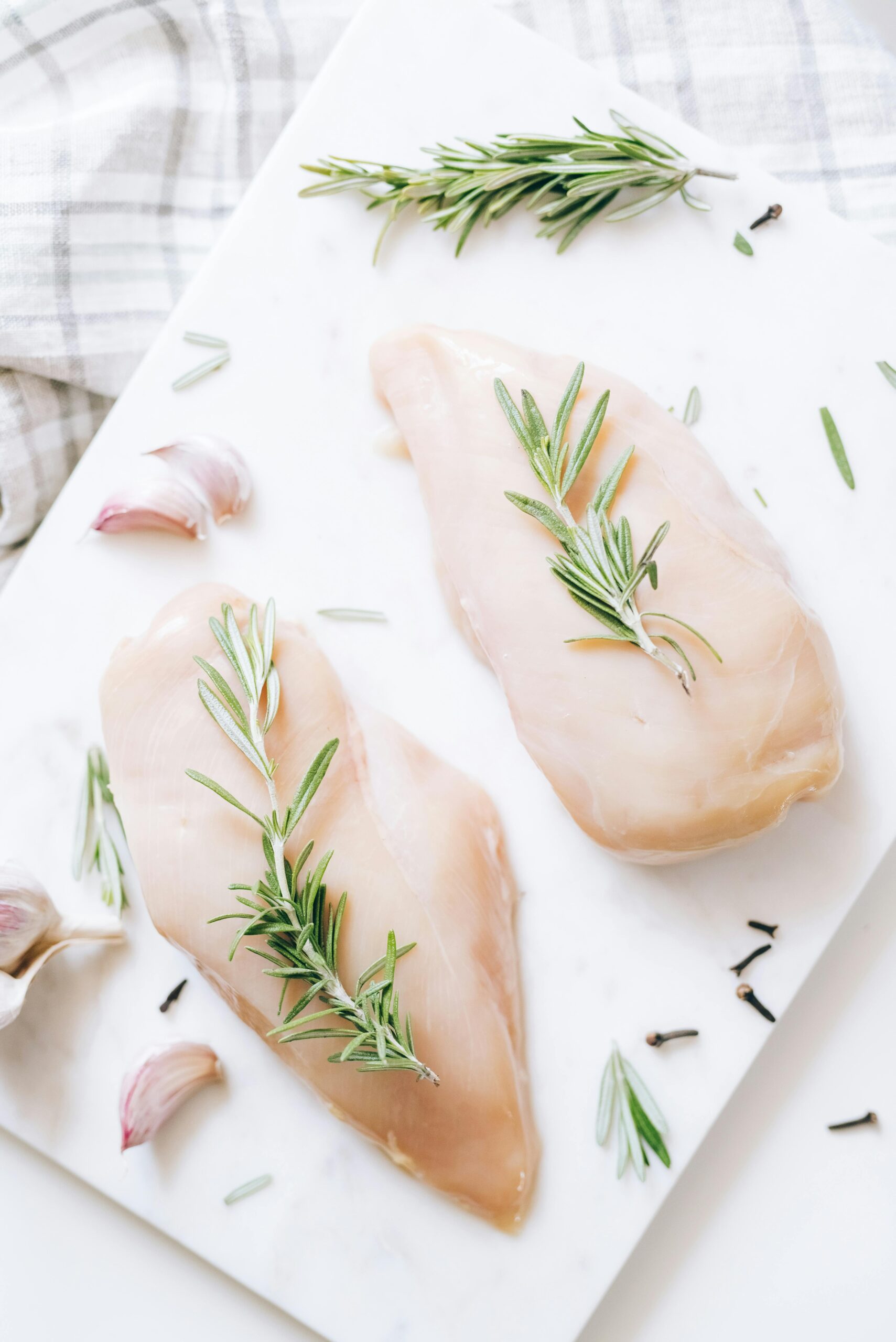
Protein is the cornerstone of building a strong and healthy body. It is a vital nutrient found in almost every cell of the body and plays a central role in their growth and renewal. Most importantly, protein is the key building block of muscles, with nearly half of the body’s protein reserves stored in muscle cells.
As we age, our bodies naturally begin to lose muscle mass. This makes protein an essential part of any long-term plan to maintain health, strength, and fitness.
Why Is Protein Important for Preserving Muscle Mass?
Muscles grow and develop naturally until around the age of 30, when they typically reach their peak in both size and strength. After that, muscle mass begins to decline gradually, at a rate of about 3–5% every decade.Related Articles
If this decline becomes severe, it can lead to a condition known as sarcopenia—a serious loss of muscle mass and strength that can make simple daily tasks, such as climbing stairs or getting out of a chair, extremely difficult.
This is where protein plays a crucial role. It provides the muscles with essential amino acids that fuel growth and repair, helping slow down muscle loss and allowing you to stay strong as you age.
How to Prevent Muscle Loss
To protect your muscles and reduce the risk of age-related muscle decline, it’s essential to combine:
- Adequate daily protein intake: to fuel muscle repair and maintenance.
- Regular exercise: especially resistance training, which stimulates muscle growth and strength.
How Much Protein Do You Really Need?
- Adults: Around 0.8 grams per kilogram of body weight per day. For example, someone weighing 70 kg should aim for about 56 grams of protein daily.
- Older adults: Recommended intake rises to about 1 gram per kilogram per day to help preserve muscle mass.
- Athletes: Often need more, depending on their training intensity, but it’s best to consult a healthcare professional to avoid overconsumption, which can stress the kidneys.
Easy Ways to Boost Your Protein Intake
Getting enough protein doesn’t have to be complicated. Simple strategies include:
- Making protein a core part of every main meal.
- Adding protein-rich snacks like nuts, yogurt, or cheese between meals.
- Swapping low-protein ingredients with higher-protein alternatives in recipes.
Natural Protein Sources
Animal-based:
- Meat, poultry, and fish
- Eggs
- Dairy products (milk, cheese, yogurt)
Plant-based:
- Nuts, seeds, and nut butters
- Legumes (lentils, beans, chickpeas)
- Soy products like tofu
- Quinoa and whole grains
Supplements:
If you struggle to meet your daily needs through food alone, protein powders can be a convenient option. They can be added to smoothies, milk, or even soups.
Exercise and Its Role in Muscle Protection
Protein alone isn’t enough—exercise is equally essential. Staying active strengthens muscles and reduces the risk of sarcopenia as you age.
- Aerobic exercises (cardio): Activities like brisk walking, cycling, or swimming improve circulation and overall health. Aim for 150 minutes per week, spread across several days.
- Resistance training: Lifting weights or doing bodyweight exercises (like squats and push-ups) directly strengthens muscles and boosts muscle mass.
Practical Tips for Preserving Muscle with Age
- Distribute protein intake throughout the day instead of consuming it all in one meal.
- Don’t skip breakfast—make it protein-rich.
- Prioritize quality sleep to support muscle recovery and growth.
- Limit processed foods lacking in essential nutrients.
- Stay active daily—even small movements like taking the stairs or walking count.
Conclusion
Protein is more than just a nutrient—it’s the secret to long-term strength, vitality, and fitness. By preserving muscle mass, it protects your body, supports independence, and allows you to enjoy life with greater energy.
Through a balanced, protein-rich diet combined with regular exercise, you can build and maintain a body that is strong, flexible, and healthy—no matter your age


