
📖 Introduction
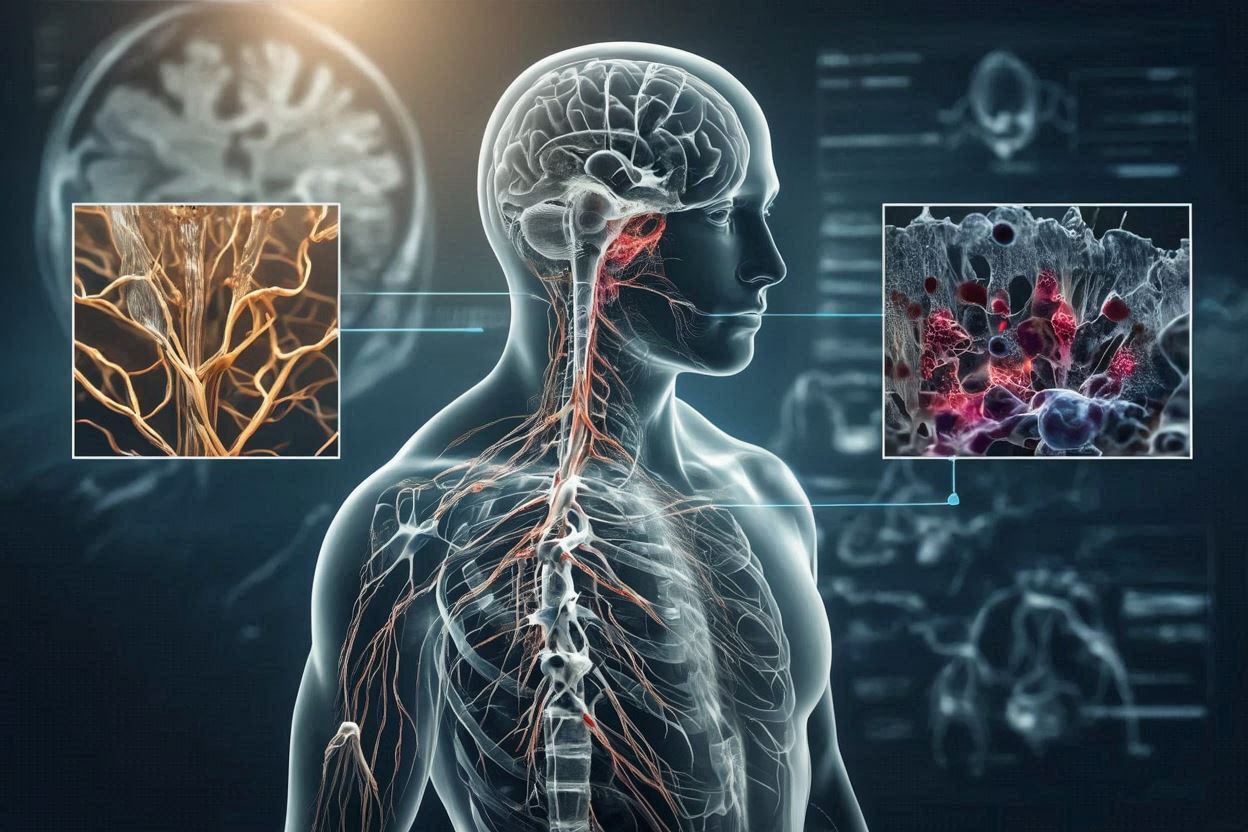
Multiple Sclerosis (MS) is one of the most common and complex diseases of the central nervous system. It is a chronic autoimmune disorder that affects the brain and spinal cord, in which the immune system mistakenly attacks the protective covering of nerve fibers known as myelin. This damage disrupts communication between the brain and the rest of the body.
Although multiple sclerosis is rarely fatal, it can significantly impact a patient’s quality of life. Therefore, understanding its symptoms and treatment options is essential for better disease management.
🧬 What Is Multiple Sclerosis?
Multiple Sclerosis (MS) is a chronic autoimmune disease that occurs when the immune system attacks the lining of nerves in the brain and spinal cord. This leads to scarring or “lesions” that interfere with normal nerve signal transmission.
The severity and symptoms of MS vary from person to person. Some may experience mild episodes, while others face more severe complications that affect movement, vision, and speech.
⚠️ Causes of Multiple Sclerosis
The exact cause of multiple sclerosis is still unknown, but scientific research suggests that a combination of factors may contribute to its development, including:
1. Immune Factors
The immune system mistakenly attacks healthy nerve cells, particularly the myelin sheath, leading to inflammation and nerve damage.
2. Genetic Factors
Having a family history of multiple sclerosis increases the risk, especially among first-degree relatives.
3. Environment and Vitamin D Deficiency
People living in regions with limited sunlight exposure are more likely to develop MS due to vitamin D deficiency, which affects immune function.
4. Viral Infections
Certain viruses, such as the Epstein–Barr virus, may increase the risk of developing multiple sclerosis.
🩺 Symptoms of Multiple Sclerosis
MS symptoms vary depending on the location and extent of nerve damage. They may appear suddenly or gradually. Common symptoms include:
- Weakness or numbness in the limbs
- Loss of balance and difficulty walking
- Vision problems (double or blurred vision)
- Persistent fatigue and exhaustion
- Speech or swallowing difficulties
- Trouble with concentration and memory
- Muscle stiffness or spasms
These symptoms often occur in episodes followed by periods of partial or complete recovery — a pattern known as relapsing-remitting multiple sclerosis (RRMS).
🧩 Types of Multiple Sclerosis
Doctors classify MS into several main types:
1. Relapsing-Remitting MS (RRMS)
The most common type, characterized by periodic relapses followed by partial or full recovery.
2. Primary Progressive MS (PPMS)
A gradual progression of symptoms without clear relapses or remissions.
3. Secondary Progressive MS (SPMS)
Initially begins as RRMS and later transitions into a steadily progressive form.
4. Progressive-Relapsing MS (PRMS)
A rare type that combines continuous disease progression with acute relapses.
🧪 Diagnosis of Multiple Sclerosis
Diagnosing MS requires a combination of medical tests — there is no single test that can confirm it. Key diagnostic methods include:
- Magnetic Resonance Imaging (MRI): Detects lesions or areas of nerve damage in the brain and spinal cord.
- Cerebrospinal Fluid (CSF) Test: Identifies signs of inflammation or immune activity.
- Neurological Exams: Assess balance, reflexes, coordination, and vision.
💊 Treatment of Multiple Sclerosis
There is currently no cure for multiple sclerosis, but several treatments help manage symptoms and slow disease progression, such as:
1. Immunomodulatory Drugs
Medications like Interferon Beta reduce immune system activity and help prevent new attacks.
2. Corticosteroid Therapy
Used to treat acute relapses and reduce inflammation in the nervous system.
3. Physical Therapy and Exercise
Helps improve movement, flexibility, and prevent muscle stiffness.
4. Psychological Support and Behavioral Therapy
Essential for managing mood changes and the emotional challenges of living with MS.
5. Advanced Treatments
Promising research in stem cell therapy and biological treatments may transform the future of MS management.
🍎 Lifestyle and Nutrition
Maintaining a healthy, balanced lifestyle can help reduce the symptoms of multiple sclerosis. Recommended practices include:
- Eating foods rich in vitamin D such as fatty fish and eggs
- Increasing intake of fresh fruits and vegetables
- Avoiding processed foods and saturated fats
- Exercising regularly to improve circulation and mobility
- Getting enough sleep and managing stress effectively
🕊️ Living with Multiple Sclerosis
Yes — it is absolutely possible to live with multiple sclerosis. Thanks to medical advances, patients can lead active and productive lives. The key is adherence to treatment, regular follow-ups with a neurologist, and maintaining a balanced lifestyle.
🩸 Conclusion
Multiple Sclerosis (MS) is a chronic disease that requires awareness, patience, and ongoing support. Although there is no permanent cure yet, early diagnosis and proper treatment can significantly slow its progression and help patients enjoy a stable, fulfilling life.
A focus on good nutrition, physical activity, and mental well-being are essential pillars in coping with this complex neurological disorder.


