
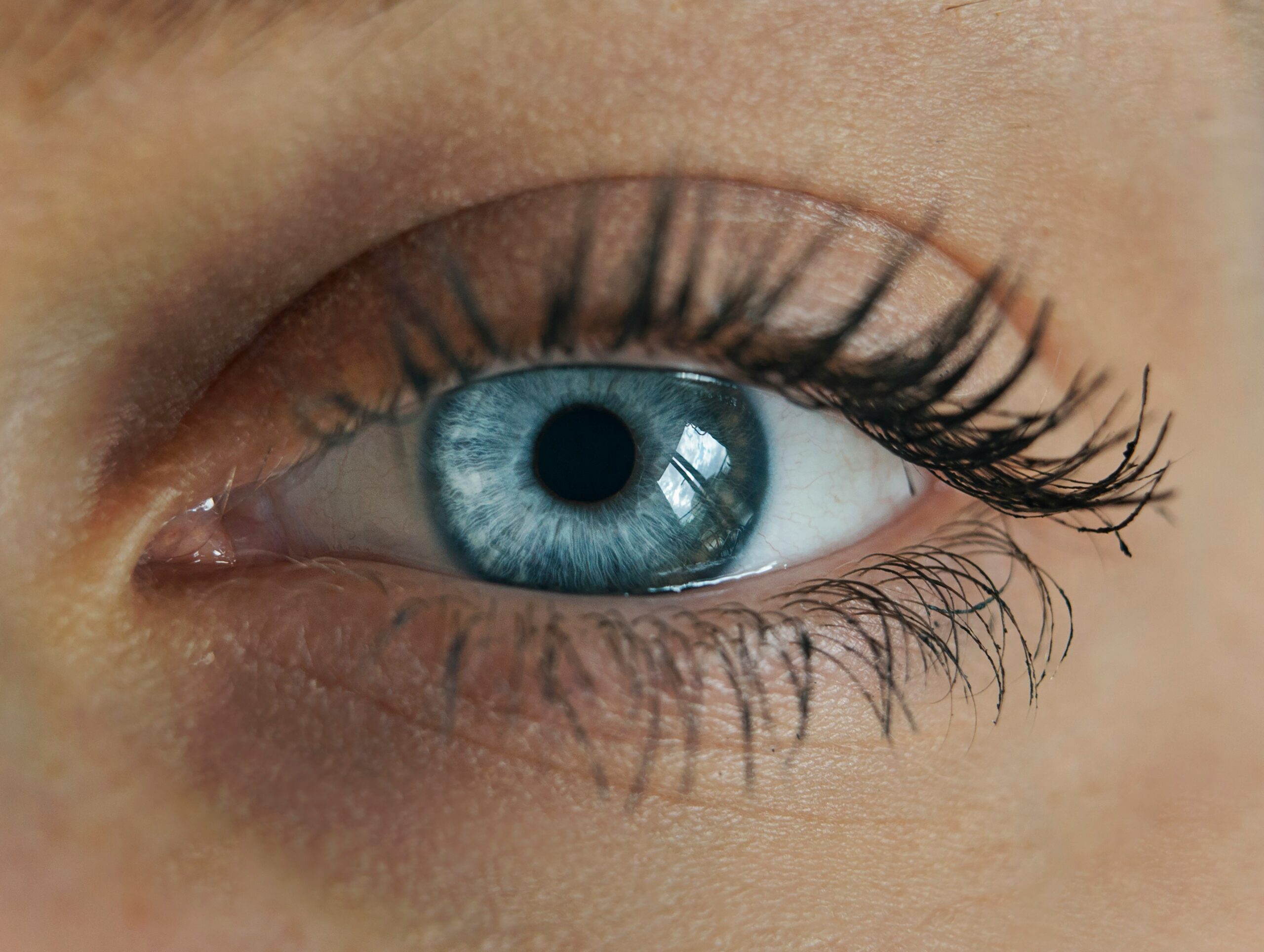
Your eyes are among the most delicate and vital organs in the human body, acting as the gateway to the world around you. Maintaining eye health is not only about regular checkups and proper care—it also relies heavily on nutrition. According to numerous medical studies, a diet rich in specific vitamins and minerals can protect the retina, improve vision, and reduce the risk of age-related eye diseases such as macular degeneration and cataracts.
In this comprehensive guide, we will explore the most important vitamins and minerals for eye health, their natural food sources, and practical tips to strengthen your eyesight naturally.
Why Nutrition Matters for Eye Health
The retina and other eye tissues require a constant supply of antioxidants, vitamins, and minerals to function properly. Poor nutrition increases the risk of oxidative stress, which accelerates cell damage and can lead to vision problems over time. Incorporating the right nutrients into your daily meals is a proactive way to protect your vision and maintain sharp eyesight as you age.
Key Vitamins and Minerals for Eye Health
1. Vitamin A | Protection Against Night Blindness
Vitamin A is essential for producing rhodopsin, a pigment in the retina that allows the eyes to see in low light conditions. A deficiency in Vitamin A can lead to night blindness and severe vision problems.
Benefits:
- Supports clear vision in dim light.
- Maintains the surface of the eye (cornea).
- Prevents dryness and irritation.
Top Food Sources:
- Egg yolks (two eggs provide the daily recommended beta-carotene intake).
- Carrots.
- Sweet potatoes.
- Dark leafy greens such as spinach and kale.
2. Vitamin C | Strengthening Eye Blood Vessels
Vitamin C is a powerful antioxidant that protects the eyes from free radical damage. It also supports healthy blood vessels in the retina and helps reduce the risk of cataracts and age-related macular degeneration (AMD).
Benefits:
- Reduces oxidative stress in eye tissues.
- Supports strong blood vessels in the retina.
- Lowers the risk of cataracts.
Top Food Sources:
- Citrus fruits (oranges, lemons, grapefruits).
- Bell peppers (red, yellow, and green).
- Kiwi and strawberries.
3. Vitamin E | Protection Against Aging Eyes
Vitamin E acts as a powerful antioxidant, safeguarding the eyes from damage caused by environmental factors and aging. It plays a crucial role in reducing the risk of age-related vision decline.
Benefits:
- Protects eye cells from free radicals.
- Lowers the risk of macular degeneration.
- Helps prevent early cataract formation.
Top Food Sources:
- Nuts such as almonds, hazelnuts, and walnuts.
- Seeds like sunflower seeds.
- Plant-based oils (sunflower oil, olive oil).
Tip: Experts recommend eating about 50 grams of nuts daily for optimal benefits.
4. Lutein and Zeaxanthin | Natural Eye Filters
These carotenoids act as natural filters that protect the eyes from harmful blue light and UV rays. They are concentrated in the retina, particularly in the macula, which is responsible for sharp central vision.
Benefits:
- Improve blood circulation in the eyes.
- Reduce inflammation.
- Protect against age-related macular degeneration.
Top Food Sources:
- Spinach (lightly cooking enhances nutrient absorption).
- Kale and collard greens.
- Corn and egg yolks.
5. Omega-3 Fatty Acids | Relief from Dry Eyes
Omega-3 fatty acids are vital for maintaining the health of eye membranes and preventing dry eye syndrome. They also support retinal function and reduce the risk of macular degeneration.
Benefits:
- Improve tear quality and reduce eye dryness.
- Support healthy retinal function.
- Protect against macular degeneration.
Top Food Sources:
- Fatty fish (salmon, mackerel, herring, sardines).
- Flaxseed oil.
- Chia seeds and walnuts.
Tip: Include omega-3-rich foods in your diet 2–3 times per week.
Practical Tips for Healthy Eyes Through Nutrition
- Make fresh fruits and vegetables a daily part of your meals.
- Eat fatty fish twice a week for omega-3 support.
- Replace fried and processed foods with nutrient-rich nuts and seeds.
- Stay hydrated by drinking plenty of water to prevent dry eyes.
- Limit sugary drinks and processed foods that may contribute to long-term eye damage.
Conclusion
A balanced diet that includes vitamins A, C, E, lutein, zeaxanthin, and omega-3 fatty acids is one of the most effective ways to maintain strong, healthy vision. By adding foods such as carrots, spinach, citrus fruits, nuts, and fish to your meals, you can protect your eyes against common age-related conditions and enjoy clear vision for years to come.
FAQs About Eye Health and Nutrition
1. What are the best foods for improving eyesight naturally?
The best foods for eye health include carrots, sweet potatoes, spinach, kale, citrus fruits, bell peppers, and fatty fish like salmon and mackerel. These foods are packed with vitamins A, C, E, lutein, and omega-3s.
2. Are supplements necessary for eye health?
Supplements can be beneficial if you have a diagnosed deficiency, but whole foods remain the best source of nutrients. Whenever possible, focus on getting vitamins and minerals from fruits, vegetables, nuts, seeds, and fish.
3. How can I protect my eyes as I age?
To protect your eyes as you age:
- Follow a diet rich in antioxidants.
- Eat nuts and fish regularly.
- Stay hydrated daily.
- Wear sunglasses to protect from UV rays.
- Schedule regular eye exams.
4. Is Vitamin A alone enough to maintain healthy eyes?
While Vitamin A is critical for preventing night blindness, eye health requires a combination of nutrients including Vitamin C, Vitamin E, lutein, zeaxanthin, and omega-3 fatty acids for optimal function.
5. Which foods should I avoid for healthy eyes?
Limit consumption of foods high in saturated fats, refined sugars, and carbonated soft drinks, as they increase the risk of diabetes and high blood pressure, both of which can negatively impact vision.
Meta Title:
Essential Vitamins and Minerals for Eye Health | Best Foods for Healthy Vision
Meta Description:
Discover the essential vitamins and minerals for eye health. Learn how Vitamin A, C, E, lutein, and omega-3-rich foods can protect your eyesight, prevent vision problems, and support healthy vision naturally.


