
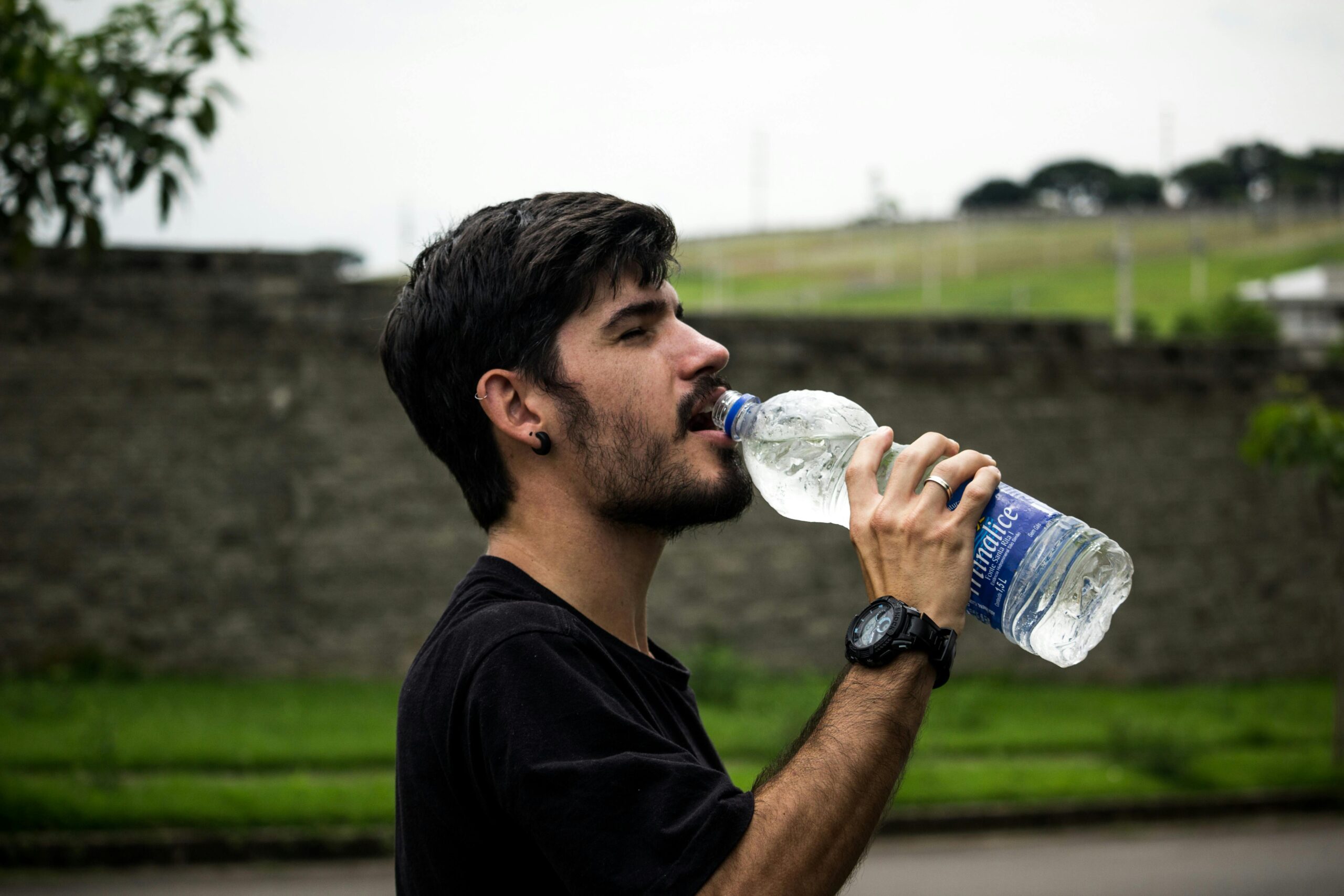
Water Fasting (Water-Only Fast): What Happens in a 3-Day Protocol and Why Some Call It “Life-Changing”
Water fasting, or a water-only fast, means abstaining completely from food and consuming only water (sometimes unsweetened tea or black coffee are permitted depending on the protocol) for a continuous period — in this case, three days (roughly 72 hours). The goal isn’t just rapid weight loss, but rather to trigger a unique metabolic state (ketosis), activate cellular processes like autophagy, reduce insulin levels, and stimulate beneficial changes in fat metabolism and inflammation.
Some research indicates that multi-day fasts produce measurable changes in plasma proteins, lipid metabolism, and key metabolic markers.
Why do some describe this practice as “life-changing”?
Scientists and clinicians point to several mechanisms, though it’s important to frame them cautiously: fasting may help with these processes, but it should not be seen as a guaranteed treatment.
1) Autophagy — Cellular “Self-Cleansing”
Autophagy is a natural cellular mechanism that breaks down and recycles damaged or aging components. Extended periods without food enhance this process, allowing the body to remove defective proteins and organelles. Evidence from animal models and early human studies suggests that fasting or calorie restriction promotes autophagy, potentially improving cell health and longevity.
2) Ketosis and Ketone Production (β-Hydroxybutyrate)
Once glycogen stores are depleted (usually within 12–36 hours depending on the person and activity level), the body begins producing ketones from fatty acids. These ketones are not just an alternative fuel for the brain and muscles — they also act as signaling molecules. Research shows they can reduce inflammation, improve cellular resilience, and support markers of “healthy aging.”
3) Hormonal Shifts — Lower Insulin, Higher Growth Hormone
During a fast, insulin levels drop, improving insulin sensitivity for many people. Growth hormone (GH) levels can rise temporarily, helping to preserve muscle mass and mobilize fat stores. Clinical studies have documented significant GH increases during prolonged fasting, though effects vary across individuals.
4) Anti-Inflammatory Effects and Immune Modulation
Ketones like β-hydroxybutyrate may suppress inflammatory pathways (such as NLRP3) and lower chronic inflammatory markers. This could explain why some patients with inflammatory conditions report improvements during fasting. However, large-scale human trials are still limited, so fasting should not be seen as a replacement therapy.
5) Early Cancer Research Signals
Laboratory and animal studies suggest fasting may protect normal cells during chemotherapy while leaving cancer cells more vulnerable. This has led to early clinical trials combining fasting with cancer treatment. However, evidence is not yet conclusive, and no one should attempt fasting as an alternative to standard medical care.
What Happens in the Body Over 3 Days?
- 0–12 hours: Body uses last meal’s energy; insulin begins to drop.
- 12–36 hours: Glycogen stores deplete; ketosis gradually begins; autophagy increases.
- 36–72 hours: Ketone levels rise; GH secretion may increase; measurable changes in plasma proteins and lipids appear. This phase carries the bulk of fasting’s metabolic benefits — but also potential risks if not managed properly.
Documented Benefits (From Lab and Human Studies)
- Enhanced autophagy and clearance of cellular waste.
- Favorable changes in blood lipid and metabolic markers.
- Reduced insulin and improved insulin sensitivity.
- Temporary rise in GH, helping muscle preservation.
- Reduced inflammatory markers through ketone signaling.
Who Should Not Attempt a 3-Day Water Fast?
Avoid or seek strict medical supervision if you are:
- Living with type 1 diabetes or on glucose-lowering medications.
- Pregnant or breastfeeding.
- A child, teenager, or frail elderly individual.
- Struggling with eating disorders or uncontrolled chronic illnesses.
- Taking medications affected by electrolytes or hydration (e.g., diuretics, heart drugs).
Even healthy individuals should be cautious: improper fasting and refeeding may trigger refeeding syndrome, especially in undernourished people.
Safe and Gradual Approach — Practical Guidelines
- Preparation (1 week before): Reduce sugar and processed foods, hydrate well, increase vegetable intake. If new to fasting, try 12–16 hour intermittent fasting first.
- 2 days before: Eat light meals, low in sugar, moderate in protein, high in vegetables. Avoid a sudden shift from high-carb eating to fasting.
- During 72-hour fast: Drink 2–3 liters of water daily. Unsweetened tea or black coffee is optional. Avoid strenuous exercise; light walking or stretching is fine. Monitor for dizziness, rapid heartbeat, or fainting — stop fasting if severe.
- Refeeding phase: Reintroduce food gradually. Start with broth, vegetable soups, or mashed soft foods. Avoid sugary foods or heavy meals immediately. Watch electrolytes if at risk.
Will You Lose Weight?
Yes — but mostly water and glycogen, not fat. Weight typically rebounds once you resume eating. The true value of fasting lies in its metabolic benefits, not short-term weight loss. Sustainable fat loss requires long-term lifestyle and diet changes.
Key Takeaways
The practice may be part of a broader health strategy — but never a substitute for medical care.
A 3-day water fast can trigger autophagy, ketosis, lower insulin, and reduce inflammation.
Benefits are supported by lab and early human data, but not yet conclusive for disease treatment.
Not everyone should try it — medical guidance is critical for at-risk groups.
Gradual preparation, careful hydration, and safe refeeding are essential


