

Cleaning the lungs from nicotine
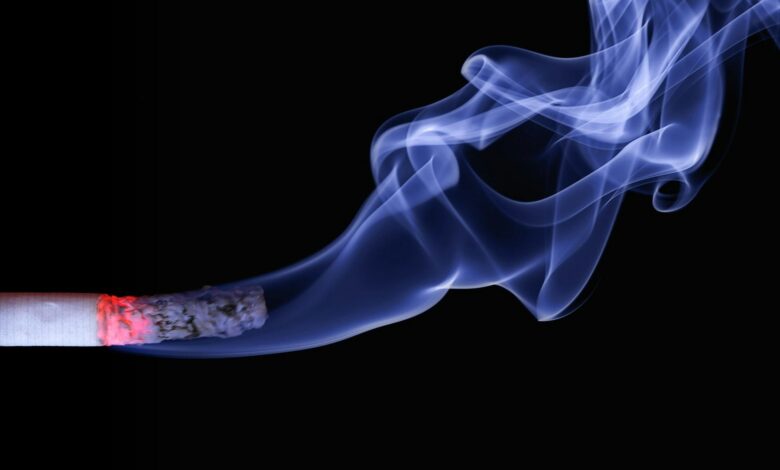
Lung Cleansing from Nicotine: A Complete Guide to Recovery After Quitting Smoking
Quitting smoking is a major step toward improving your health and overall well-being. However, many people wonder: Is it possible to cleanse the lungs from nicotine and toxins after quitting? The truth is that the lungs have a natural ability to heal, but supporting this process through healthy and scientific methods can help you regain energy faster and reduce the risk of chronic diseases.
In this article, we will explore the best ways to cleanse your lungs from nicotine and toxins, the recovery timeline, and the healthy habits that speed up the healing process.
Can the Lungs Be Cleansed from Nicotine?
While there is no magical way to restore your lungs to how they were before smoking, the body begins a self-cleaning process immediately after quitting. Lung cells gradually regenerate, and the respiratory system becomes more efficient over time.
That said, smoking may cause permanent damage such as:
- Emphysema: Damage to the air sacs in the lungs, making breathing difficult.
- Chronic Bronchitis: Ongoing inflammation of the airways leading to persistent cough and shortness of breath.
For this reason, prevention and early recovery are the best ways to protect the lungs and improve their function.
Best Ways to Cleanse the Lungs from Nicotine
1. Exercise Regularly
Exercise is one of the most effective methods to support lung cleansing after quitting smoking because it:
- Increases metabolism, speeding up nicotine elimination through sweat.
- Raises breathing rate and boosts oxygen delivery throughout the body.
- Improves circulation, helping to flush out carbon dioxide and toxins.
Cardio exercises such as brisk walking, jogging, cycling, or swimming are highly recommended. If you suffer from chronic lung conditions, consult your doctor before starting a new routine.
2. Follow an Antioxidant-Rich Diet
A healthy diet greatly supports lung recovery during the healing phase.
- Antioxidants such as blueberries, green tea, and carrots fight free radicals from smoking and reduce inflammation.
- Anti-inflammatory foods like turmeric, leafy greens, cherries, walnuts, and olives help cleanse the lungs of toxins.
- Leafy greens rich in chlorophyll naturally aid in detoxifying the body.
3. Stay Hydrated and Drink Warm Fluids
Water is essential for supporting lung and kidney function in flushing out nicotine:
- Drinking at least 8 glasses of water daily helps thin mucus and eliminate toxins through urine.
- Warm fluids like herbal teas and broths help soothe the respiratory tract and improve mucus flow.
4. Lung Cleansing Exercises Through Coughing
Coughing is not always harmful—it is the body’s natural way to expel toxins. You can practice structured coughing exercises as follows:
- Sit on a chair with relaxed shoulders and feet flat on the floor.
- Place one arm across your abdomen.
- Inhale deeply through your nose.
- Exhale slowly while leaning slightly forward and pressing your abdomen.
- Cough two to three times during exhalation while keeping your mouth slightly open.
- Inhale slowly again through your nose.
This exercise helps the lungs push out mucus loaded with toxins.
How Long Does It Take to Cleanse the Lungs?
Recovery time varies depending on factors such as smoking duration, quantity, age, diet, and genetics.
- Within 2–3 weeks of quitting, lung function begins to improve significantly.
- After one year, coughing and shortness of breath are reduced, and the respiratory system becomes more efficient.
- Over the long term, the risk of heart and lung diseases decreases dramatically.
Additional Tips for Lung Health
- Avoid smoke-filled and polluted environments.
- Practice relaxation techniques like deep breathing or yoga.
- Add natural herbs such as ginger and thyme to your diet for lung support.
- Prioritize quality sleep to aid in cell regeneration.
Conclusion
Cleansing the lungs from nicotine is a natural process that begins the moment you quit smoking. However, you can accelerate and support it through exercise, a healthy diet, hydration, and structured coughing exercises. Sticking to these healthy habits will not only help detoxify your lungs but also improve your overall health, energy levels, and quality of life.
✨ Remember: every day you stay away from smoking is a step toward cleaner lungs and a healthier life.


