

Taurus: Traits, Strengths, Weaknesses, and Secrets of the Steady Earth Sign
Taurus
Introduction
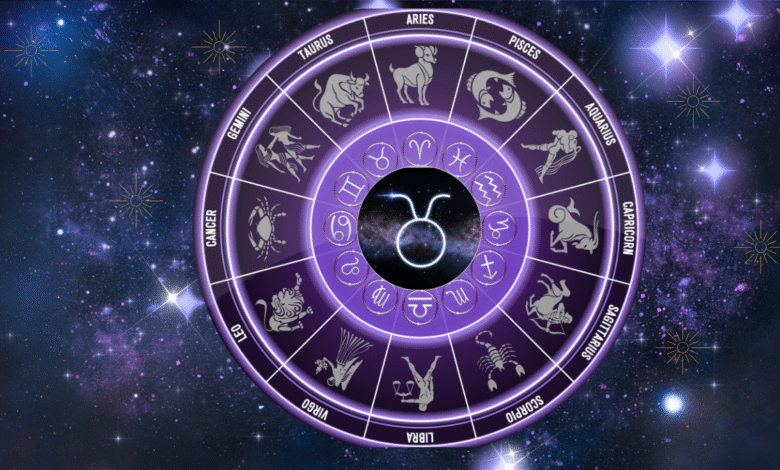
Taurus is the second sign of the zodiac, spanning from April 20 to May 20. People born under this sign are known for their stability, patience, and realistic outlook on life. As an Earth sign, Taurus is one of the most grounded and balanced signs in the zodiac.
In this comprehensive guide, you’ll discover everything about Taurus traits, its strengths, weaknesses, compatibility with other zodiac signs, and the key secrets of its personality in love, career, and daily life.
♉ About Taurus
- Element: Earth 🌍
- Ruling Planet: Venus (the planet of beauty, love, and luxury)
- Symbol: The Bull 🐂
- Lucky Colors: Green and Pink
- Lucky Number: 6
- Compatible Signs: Virgo, Capricorn, Cancer
- Incompatible Signs: Leo, Aquarius, Sagittarius
💫 Positive Traits of Taurus
People born under Taurus have strong and reliable personalities that make them among the most trustworthy individuals. Their best positive traits include:
- Patience and Stability: They take their time before making decisions, carefully analyzing every step.
- Loyalty and Faithfulness: Whether in love or friendship, Taurus individuals are devoted until the end.
- Ambition and Determination: They pursue success with steady and unwavering effort.
- Refined Taste: Taurus natives have a strong sense of beauty and enjoy comfort, elegance, and luxury.
- Dependability: You can always count on them, even in difficult times — they’re reliable and consistent.
⚠️ Negative Traits of Taurus
Despite their strengths, Taurus individuals also have some weaknesses that occasionally surface:
- Stubbornness: They tend to stick to their opinions, even when proven wrong.
- Possessiveness: They can be overly protective and sometimes jealous in relationships.
- Love of Routine: They dislike sudden change and prefer staying in their comfort zone.
- Materialism: They value financial security and may appear overly focused on money or possessions.
- Laziness at Times: When they feel comfortable, it can be hard to motivate them to take action.
❤️ Taurus in Love and Relationships
In love, Taurus is a loyal and dependable partner who seeks emotional security above all else.
- They prefer long-term relationships built on trust and honesty.
- They express love through actions rather than words.
- They can be deeply possessive but also incredibly faithful.
- Taurus appreciates small gestures and simple romantic surprises.
👩❤️👨 Taurus Compatibility with Other Zodiac Signs
- With Virgo and Capricorn: A strong and stable relationship based on practical understanding.
- With Cancer and Pisces: Emotional harmony and balance between logic and heart.
- With Leo or Sagittarius: Passionate but challenging — requires compromise from both sides.
- With Gemini or Aquarius: Different lifestyles may cause friction unless mutual respect and understanding exist.
💼 Taurus in Career and Success
Taurus individuals are highly persistent and well-organized, making them some of the most successful professionals.
They thrive in careers that demand patience and attention to detail, such as:
- Banking and Finance
- Agriculture and Real Estate
- Art and Design
- Culinary Arts and Interior Decoration
- Business Management and Entrepreneurship
They prefer a stable, comfortable work environment and dislike sudden changes or excessive pressure.
🧘♀️ Tips for Dealing with a Taurus
- Respect their need for stability and don’t pressure them to change.
- Avoid direct confrontation — they rarely change their minds quickly.
- Show appreciation and loyalty — trust is the foundation of their relationships.
- Don’t provoke them; their calm nature hides a powerful temper.
- Enjoy peaceful moments with them — they value comfort and serenity over chaos.
🌟 Conclusion
Taurus combines realism, patience, and loyalty in a beautifully balanced personality. They move toward success with steady determination and seek security in every part of life. Although sometimes stubborn and resistant to change, Taurus has a warm, loving heart that brings peace and reliability to those around them.
Understanding the Taurus personality helps you build stronger, lasting connections — whether as a friend, colleague, or life partner.


